The new health trend sweeping Europe? Breathing in air from Turkish beehives
In an idyllic valley near the Aegean Sea, beekeeper Huseyin Ceylan invites people to inhale air directly from beehives.
Ceylan's farm, located in Karaburun, in Turkey's Aegean coastal province of Izmir, attracts visitors seeking relief from various ailments with traditional "apitherapy," a term derived from the Greek for bees.
Guests often stay for several days, residing in cabins surrounded by lush greenery, inhaling air from the beehives for up to three hours daily.
Ceylan claims this therapy aids in alleviating conditions ranging from allergies to migraines.
Showing posts with label Honey. Show all posts
Tuesday, June 03, 2025
Saturday, May 17, 2025
World Bee Day - May 20, 2025
On this occasion of World Bee Day, celebrated annually on May 20th, we, the Asian Apicultural Association (AAA), urge all member countries to unite in global efforts to protect pollinators, safeguard food security, preserve biodiversity, and enhance human health. This day serves as a global reminder of the indispensable role bees and other pollinators play in sustaining life on Earth, and it calls upon us to redouble our efforts in safeguarding their future.
Bees are the unsung heroes of our ecosystems and economies. They pollinate over 75% of the world’s leading food crops and 90% of wild plants, ensuring biodiversity, food security, and livelihoods for millions. In Asia, a region rich in agricultural diversity, the contributions of bees are even more pronounced—from the rice paddies of Southeast Asia to the apple orchards of the Himalayas, their labor underpins our food systems and cultural heritage.
Yet, bees today face unprecedented threats. Climate change, habitat loss, pesticide exposure, and disease outbreaks are pushing pollinator populations to the brink. In Asia, rapid urbanization, deforestation, and unsustainable agricultural practices exacerbate these challenges. As stewards of this vital resource, the Asian Apicultural Association stands committed to fostering collaboration, innovation, and awareness to reverse these trends.
This year’s World Bee Day theme, let's following the United Nations & FAO “Bee inspired by nature to nourish us all” to take decisive action.
We call on AAA member countries to:Organize Public Events: Host workshops, school programs, and community activities to raise awareness about bees’ critical role.
Advancing Research & Education: Supporting studies on pollinator health and sharing best practices across borders.
Promoting Sustainable Beekeeping: Empowering beekeepers with tools to adapt to climate shifts and market demands.
Advocating for Policy Change: Engaging governments to prioritize pollinator-friendly agriculture and reduce harmful pesticide use.
Raising Public Awareness: Inspiring communities, especially youth, to become champions for bees through education and outreach.
Celebrate Local Beekeepers: Highlight their contributions to food systems and economic resilience.
......
Let us lead by example:Plant wildflowers, create green corridors, and reduce plastic waste.
Collaborate across borders to share knowledge and resources.
Engage youth to inspire future stewards of pollinators.
Together, we can turn awareness into action. By protecting bees, we protect our food, our health, and our planet.
Join us, join UN & FAO in making World Bee Day 2025 a catalyst for change!
For resources, partnerships, or support, contact the AAA Secretariat at AAA office.
Act now—for the bees, for Asia, for the world.
Key Themes Highlighted:Urgency of pollinator protection in Asia.
Link to food security, biodiversity, and health.
Tangible actions for member countries.
Collaboration and youth engagement.
Let’s bee the change! 🌍🐝
Customization Tips:Add country-specific examples (e.g., "In [Country], bees pollinate [local crop]...").
Include AAA logos or links to campaign materials.
Adjust deadlines or event formats to suit regional contexts.
To our beekeepers, researchers, and enthusiasts: thank you for your tireless dedication. Your work is not just a vocation—it is a legacy for future generations.
Let us use this World Bee Day to reaffirm our commitment. Together, we can ensure that bees thrive, ecosystems flourish, and communities prosper. The time to act is now.
We’d love to hear from you 🌍🐝Let us know how you plan to celebrate World Bee Day in your country. 🌍🐝
Please don't forget to check the attachment: Speech from President Prof. Siriwat on WBD.
Happy World Bee Day! 🌍🐝
Warm regards,
Lihong
Secretary-General
Asian Apicultural Associaton (AAA)
Thursday, August 29, 2024
Tuesday, July 25, 2023
Honey Has Protective Effect in Cerebrovascular Diseases
Apitherapy in Post-Ischemic Brain Neurodegeneration of Alzheimer’s Disease Proteinopathy: Focus on Honey and Its Flavonoids and Phenolic Acids
Molecules 2023, 28(15), 5624
Neurodegeneration of the brain after ischemia is a major cause of severe, long-term disability, dementia, and mortality, which is a global problem. These phenomena are attributed to excitotoxicity, changes in the blood–brain barrier, neuroinflammation, oxidative stress, vasoconstriction, cerebral amyloid angiopathy, amyloid plaques, neurofibrillary tangles, and ultimately neuronal death. In addition, genetic factors such as post-ischemic changes in genetic programming in the expression of amyloid protein precursor, β-secretase, presenilin-1 and -2, and tau protein play an important role in the irreversible progression of post-ischemic neurodegeneration. Since current treatment is aimed at preventing symptoms such as dementia and disability, the search for causative therapy that would be helpful in preventing and treating post-ischemic neurodegeneration of Alzheimer’s disease proteinopathy is ongoing. Numerous studies have shown that the high contents of flavonoids and phenolic acids in honey have antioxidant, anti-inflammatory, anti-apoptotic, anti-amyloid, anti-tau protein, anticholinesterase, serotonergic, and AMPAK activities, influencing signal transmission and neuroprotective effects. Notably, in many preclinical studies, flavonoids and phenolic acids, the main components of honey, were also effective when administered after ischemia, suggesting their possible use in promoting recovery in stroke patients. This review provides new insight into honey’s potential to prevent brain ischemia as well as to ameliorate damage in advanced post-ischemic brain neurodegeneration.
Labels:
Honey
Sunday, July 23, 2023
UK Launches First Apitherapy Center
The UK’s first ‘bee therapy’ retreat just launched in Perthshire, with sounds, vibrations and aromas to help visitors de-stress and chill out. I was buzzing to check it out. Here’s how I got on.
The Courier.
Tuesday, July 18, 2023
Oxymel Honey-Vinegar Combo Boosts Wound Healing
Oxymel: Scientists say honey and vinegar is a wound-healing power couple
A combination of honey and vinegar has shown promise as a treatment for wound infections, researchers in the UK have discovered.
Our ancestors were onto something when they used honey and vinegar to heal and clean wounds.
Like so many things, these remedies got lots amongst modern practices, but now Warwick University in the UK has discovered the true power behind these natural foods as topical medicines.
In the university’s Sweet and Sour Synergy study, researchers underwent the first comprehensive study of its kind, and what they found was that yes, elements of honey and vinegar have incredible wound healing properties, but when combined in low doses, are even more powerful. This combination is called oxymel.
Our ancestors were onto something when they used honey and vinegar to heal and clean wounds.
Like so many things, these remedies got lots amongst modern practices, but now Warwick University in the UK has discovered the true power behind these natural foods as topical medicines.
In the university’s Sweet and Sour Synergy study, researchers underwent the first comprehensive study of its kind, and what they found was that yes, elements of honey and vinegar have incredible wound healing properties, but when combined in low doses, are even more powerful. This combination is called oxymel.
Labels:
Honey
Thursday, February 23, 2023
Honey Promotes Faster Healing for Necrotizing Fascitis Wounds
A Comparative Study Between Use of Topical Honey and Edinburgh University's Solution of Lime (EUSOL) Dressing in Necrotizing Fascitis Wounds
Cureus. 2023 Jan 16;15(1):e33825
Introduction Necrotizing soft tissue infection is potentially life-threatening and involves subcutaneous fascial planes, later involving overlying skin and, eventually, underlying muscles. Early diagnosis and prompt treatment are necessary for this disease's management to avoid significant morbidity and fatality.
After resuscitation and optimization, early surgical debridement is followed by serials of dressing. Various materials like Edinburgh University's solution of lime (EUSOL), normal saline, povidone-iodine, and honey have been used as dressing solutions for necrotizing fasciitis. This study is based on comparing the effects of honey and EUSOL as dressing solutions in necrotizing fasciitis wounds.
Methods A randomized clinical trial was conducted at the Civil Hospital Karachi, from March 2020 to July 2021. This study has been approved by the ethical review committee of the institution and registered at clinicaltrial.gov. Based on the dressing solution for necrotizing fasciitis, patients were divided into two groups, The honey group (intervention group) contains 90 patients, and the EUSOL group (control group) has 85 patients.
Results A total of 175 patients' data were analyzed, 90 in the honey group and 85 in the EUSOL group. Patients presented to the hospital with symptoms of 6.20 ± 2.72 days in the honey group and 6.67 ± 4.08 days in the EUSOL group. The days required for clearance of slough in the honey group were 2.83 ± 0.79, while 2.48 ± 0.82 days in the EUSOL group with a p-value of 0.005. The duration of hospital stay was 4.96 ± 1.31 days in the intervention group and 9.33 ± 1.45 days in the control group, with a p-value of 0.007. Wound healing days were 20.23 ± 4.45 in the intervention group while 28.38 ± 7.06 days in the control group, with a significant p-value of 0.000.
Conclusion While managing necrotizing soft tissue infection wounds with honey. Honey promotes faster wound healing and shorter hospital stays compared to EUSOL.
Labels:
Honey
Saturday, February 04, 2023
Turkish First Lady Emine Erdogan Awarded for Promoting Apitherapy, Using Bee Products for Medicinal PurposeS
Turkish first lady Emine Erdogan on Friday received the Dr. Beck Apitherapy Award for promoting bee products for medicinal purposes.
She hosted the International Apitherapy Federation's executives at the Vahdettin Mansion in Istanbul.
At the reception, Janos Kormendy-Racz, head of the Hungarian Apitherapy Association, presented the award to Erdogan for her contributions to the dissemination of apitherapy studies in Türkiye.
“This award is half Turkish, half Hungarian. The person you see in the picture has made great contributions to the use of bee products in the field of medicine and to the development of bee studies. I hope that it will be an occasion for us to go further in Turkey as well,” Kormendy-Racz said...
Tuesday, January 10, 2023
New Video: 'Bee Air" Therapy in Moldova
As part of a programme to help aspiring Moldovan enterprises, PIN Moldova, in partnership with the local Socio-Economic Policy Centre, “CONSENS”, has worked with business owners like Mariana and Iurie.
WATCH THE VIDEO.
Monday, December 05, 2022
How To Treat Eczema Using Honey
HEALTH DIGEST
Labels:
Honey
Wednesday, November 09, 2022
The Use of Medicinal Honey in Wound Care of Horses
The right kind of honey is key if you want to try this technique
By Carol Shwetz Dvm
Medicinal honey shows impressive results in combatting antibiotic resistance, improving patient welfare and economizing wound management for humans and companion animals.
When the source of honey is well chosen, there are no mentionable side effects or contra-indications.
Honey is roughly 80 per cent simple sugars (such as glucose and fructose) and 20 per cent water and also contains more than 200 different bioactive compounds (including proteins, enzymes, amino acids, phytochemicals, vitamins, antioxidants and minerals).
Its therapeutic potency is complex. It contains compounds both known and unknown by the scientific world. It is a product of nature and thus variations in composition occur between geographical locations of the hive, season, weather and the bee’s pasture conditions. As a result of this variability, science struggles to fully standardize, quantify and qualify the healing benefits of honey...
Labels:
Honey
Thursday, October 27, 2022
Honey-Propolis-Engineered Collagen Peptides as Promising Wound-Healing Matrix in Mouse Model
In this study, collagen hydrolysates (CHDs) were fabricated with honey-propolis wax (HPW), structurally modified as a sponge matrix, and experimentalized on wound healing in a mouse model. The scaffold was characterized by means of in vitro enzymatic degradation; in vitro HPW release; and in vivo wound-healing mouse model, wound-healing-specific RNA, transcripts, and protein markers. The functional activity of the HPW extracted from raw propolis was determined using total flavonoids, antioxidant scavenging assays, and anti-hemolytic principles.
The results indicated that HPW had a high flavonoid content (20 μg/mL of wax) and antioxidant activities. The effective concentration (EC50) of HPW was estimated (28 mg/mL) and was then used in the subsequent in vivo experiments. Additionally, the dopped mixture of CHDs and HPW substantially enhanced the wound-healing process and regulated wound biochemical markers such as hexoseamine and melondialdehyde. CHDs- HPW upregulated the expression of growth factors including vascular endothelial growth factor (VEGF) (2.3-fold), fibroblast growth factor (FGF) and epidermal growth factor (EGF) (1.7-fold), and transforming growth factor-beta (TGF-β) (3.1-fold), indicating their potential capacity to perform wound re-epithelialization and the loading of ground tissue. Pro-inflammatory markers IL-1 β (51 pg/mL) and TNF-α (220 pg/mL) were significantly reduced in the CHD-HPW-treated wound.
These interesting results were further confirmed using mRNA and protein growth factors from the wound, which enhanced the load of collagen-I in the wound site. In conclusion, CHDs-HPW exhibited a significant reduction in inflammation and inflammatory markers and helped to obtain a faster wound-healing process in a mouse model. The newly engineered biosponge could be developed as a promising therapeutic approach for the regeneration and repair of damaged human skin in the future.
Tuesday, October 18, 2022
Intensive Apitherapy Course & Workshops in Romania
Application form for the Intensive Apitherapy Course & Workshops (I.A.C.W.) with Dr. Stefan Stângaciu and his colleagues.
Thursday, March 24, 2022
Everything to Know About Apitherapy
Apitherapy is an alternative therapy that uses products made by honeybees for medicinal purposes. These products include honey, beeswax, royal jelly, pollen, propolis, and bee venom. Apitherapists may use a combination of these products, depending on the condition they are treating...
Friday, March 18, 2022
Monday, March 07, 2022
Upcoming Apitherapy Events Worldwide
March 19-20
For more details write an email to: DrStangaciu@Gmail.com
***
Beehive Air Therapy Conference, in Romanian
April 2-3
For more details write an email to: DrStangaciu@Gmail.com
***
Intensive Apitherapy Courses in Iran
April 9-13 and April 16-21
For more details write an email to: DrStangaciu@Gmail.com
***
German Apitherapy Workshops
April 24-30
***
International Conference on Propolis
May 5-7
***
First International Conference on Api-Microbiology
May 28-29
For more details write an email to: DrStangaciu@Gmail.com
***
First Api-Pediatry Conference in Arabic
June 29-30
For more details write an email to: DrStangaciu@Gmail.com and Prof. Mamdouh Abdelrhman mamdouh.abdelrhman@gmail.com
Wednesday, January 05, 2022
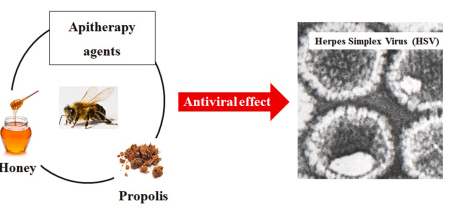
Propolis and Honey Better Than Acyclovir for Treating Cold Sores and Genital Herpes
Effect of honey and propolis, compared to acyclovir, against Herpes Simplex Virus (HSV)-induced lesions: A systematic review and meta-analysis
J Ethnopharmacol. 2021 Dec 26;287:114939
Ethnopharmacological relevance: Apitherapy is a branch of traditional medicine that uses bee products to manage numerous diseases. In this context, the antiherpetic effect of these bee products has been demonstrated in some studies with some controversial results.
Aim of the study: Thus, we conducted a systematic review and meta-analysis to compare the effectiveness of honey and propolis with acyclovir, the reference drug, in the treatment of cold sores and genital herpes.
Materials and methods: The selection of eligible studies was conducted through the search in Pubmed/MEDLINE, Scopus, Cochrane Library, LILACS, and Electronic Scientific Library.
Results: The search yielded 147 articles, of which nine were considered eligible for analysis. The analysis of these studies showed that the healing property of propolis is superior to that obtained for acyclovir (95% CI: 2.70 to 8.25; p = 0.0001). Furthermore, honey also presented a better healing effect than acyclovir against Herpes simplex virus-induced wounds (95% CI: 3.58 to -0.19; p = 0.03), inducing complete re-epithelization of herpetic lesions after 8 days, while for acyclovir, the healing time average was 9 days. It also provoked a similar reduction of pain caused by herpetic compared to acyclovir (95% CI: 2.27 to -0.42; p = 0.18).
Conclusions: Overall, these results confirm the use of honey and propolis as potent antiherpetic agents.
Tuesday, January 04, 2022
Report on the Health Benefits of Bee Products in Boosting Immunity; Treating Cancer, Diabetes, High Cholesterol, High Blood Pressure, Allergies
J Agric Food Chem. 2022 Jan 2.
Beside honey, honeybees (Apis mellifera L.) are able to produce many byproducts, including bee pollen, propolis, bee bread, royal jelly, and beeswax. Even if the medicinal properties of these byproducts have been recognized for thousands of years by the ancient civilizations, in the modern era, they have a limited use, essentially as nutritional supplements or health products. However, these natural products are excellent sources of bioactive compounds, macro- and micronutrients, that, in a synergistic way, confer multiple biological activities to these byproducts, such as, for example, antimicrobial, antioxidant, and anti-inflammatory properties.
This work aims to update the chemical and phytochemical composition of bee pollen, propolis, bee bread, royal jelly, and beeswax and to summarize the main effects exerted by these byproducts on human health, from the anticancer and immune-modulatory activities to the antidiabetic, hypolipidemic, hypotensive, and anti-allergic properties.
Labels:
Bee-Collected Pollen,
Beeswax,
Honey,
Propolis,
Royal Jelly
Friday, October 01, 2021
Thyme Honey, Olive Oil Combine to Protect Against Diabetes Complications
The Synergistic Beneficial Effect of Thyme Honey and Olive Oil against Diabetes and Its Complications Induced by Alloxan in Wistar Rats
Evid Based Complement Alternat Med. 2021 Sep 20;2021:9949056
Diabetes is a metabolic disorder characterized by a chronic increase in blood glucose. Owing to the limitations observed with antidiabetics in modern medicine, medicinal plants and bee products are known as good matrices for the search for new antidiabetic molecules.
The present study focused on the evaluation of the hypoglycemic and the protective properties of two natural products widely used in complementary and alternative medicine (thyme honey and olive oil). To achieve this, the study was carried out on Wistar rats rendered diabetic by the injection of a single dose of alloxan monohydrate (65 mg/kg body weight (BW)).
First, the physicochemical characterization and the phytochemical analysis of thyme honey and olive oil were carried out, and then in vivo study was conducted on 42 Wistar rats divided into seven groups: three groups were normal, one group was untreated diabetic, and three groups were diabetic rats treated with thyme honey (2 g/kg BW) or olive oil (10 mL/kg BW) or their combination ((1 g/kg BW of thyme honey) and (5 mL/kg BW of olive oil)). During the experiment, the glycemia was measured regularly every 10 days.
After 30 days of treatment, the rats were sacrificed. The serum and urine were analyzed to determine hepatic enzymes levels (AST, ALT, ALP, and LDH), lipidic profile (total cholesterol, triglycerides, high-density lipoprotein, low-density lipoprotein), and kidney parameters (urea, uric acid, creatinine, total protein, sodium, potassium, and chloride). The liver, pancreas, and kidneys were analyzed to evaluate their histological changes and to determine their enzymatic antioxidant content (catalase, GSH, and GPx) and the levels of MDA.
The results obtained showed that thyme honey or olive oil, and especially their combination, improved significantly the blood glucose levels and they protect against metabolic changes and the complications induced by diabetes.
Labels:
Honey
Monday, September 13, 2021
Honey and Propolis Protect Liver and Kidneys from Damage
Protective Effect of Honey and Propolis against Gentamicin-Induced Oxidative Stress and Hepatorenal Damages
Oxid Med Cell Longev. 2021 Sep 2;2021:9719906
Bee products are a promising source of phenolic compounds with strong antioxidant activity. The present study was designed to explore the protective effect of honey, propolis, and their combination on gentamicin-induced oxidative stress and hepatorenal dysfunction. This study was conducted on male Wistar rats by intraperitoneal injections of gentamicin (120 mg/kg BW/day, i.p.) or normal saline (1 ml/kg BW/day, i.p.) for 10 consecutive days.
Honey (2 g/kg BW), propolis (100 mg/kg BW), or their combination were given daily by gavage to normal and gentamicin groups. Honey and propolis samples were evaluated for their phytochemical composition and antioxidant capacity. The in vitro investigations showed that the evaluated samples especially propolis extract have high antioxidant power associated with the presence of several phenolic compounds such as flavonoids, flavan-3-ols, hydroxybenzoic acids, hydroxycinnamic acids, and stilbenes, while honey contains only hydroxybenzoic acids and hydroxycinnamic acids.
It was also shown that simultaneous treatment with honey or propolis extract alone or in association prevented changes caused by gentamicin administration and improved hepatic and renal functions. Changes caused by gentamicin administration, observed by in vivo experiments, include significant elevation of uric acid, urea, creatinine, and hepatic enzyme levels (ALT, AST, and ALP) and kidney biochemical changes (an increase of urea, uric acid, and creatinine and a decrease of albumin and total protein) as well as remarkable changes of renal and liver oxidative stress markers (CAT, GPx, and GSH) and elevation of MDA levels.
Overall, it can be concluded that honey and propolis might be useful in the management of liver and renal diseases induced by xenobiotics.
Subscribe to:
Posts (Atom)